The Data Sovereignty Paradox Write-up
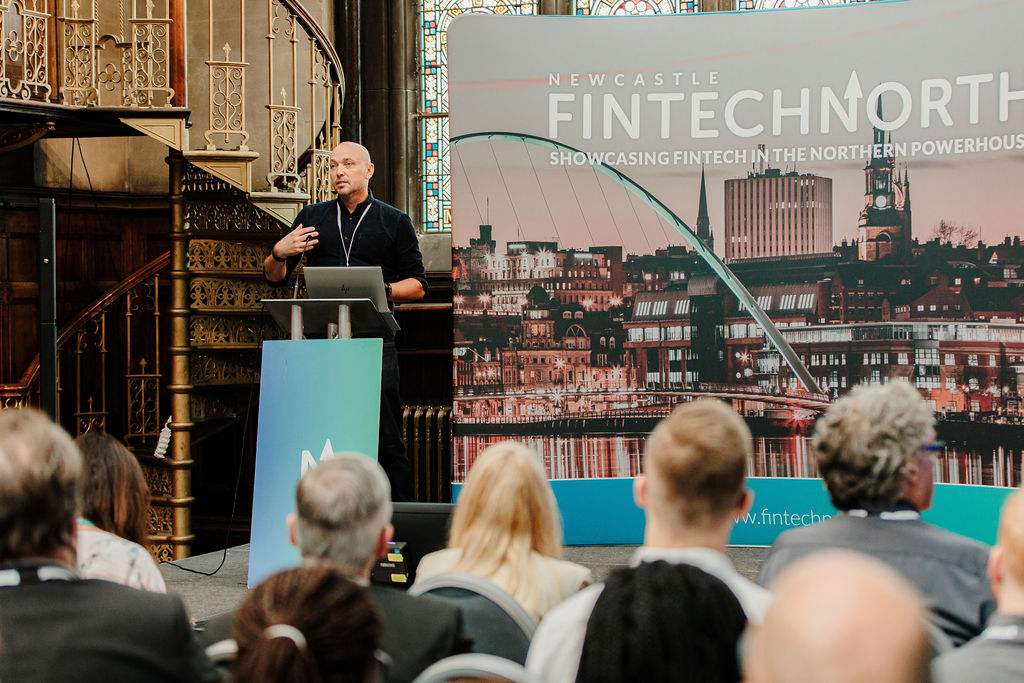
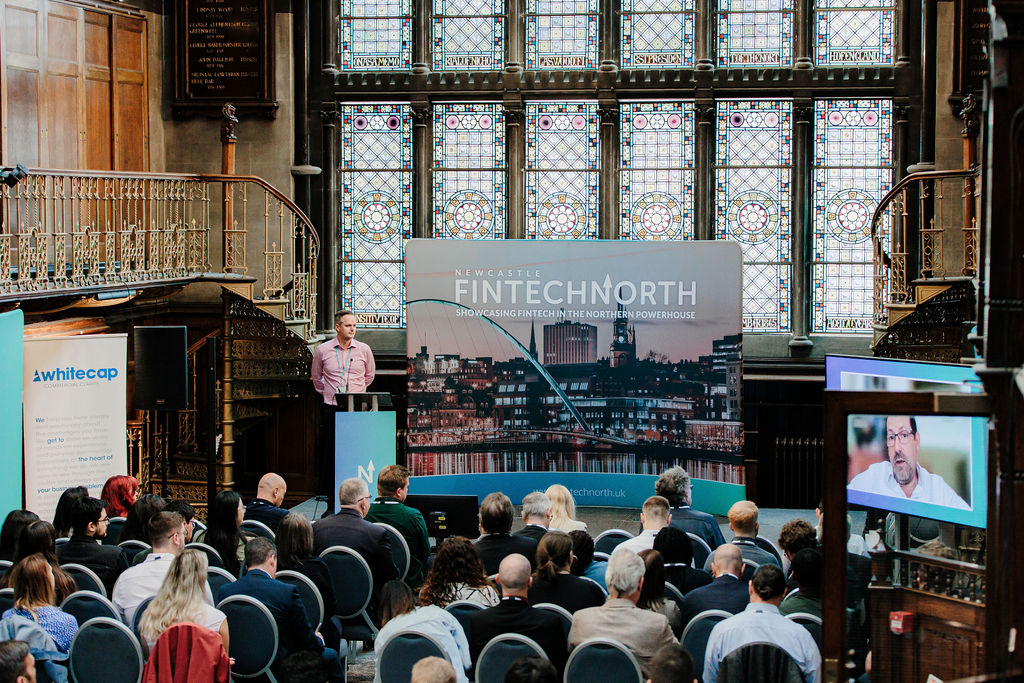
On the 4th of December, FinTech North, in partnership with the UK’s leading edge infrastructure provider, Pulsant, hosted a focused and insightful webinar examining the growing importance of data sovereignty in FinTech and UK financial services. As digital products multiply and AI capabilities advance, the conversation centred on a core challenge: whether organisations can truly maintain control over where their data sits while still meeting compliance obligations and delivering high performance.
Click here to watch the webinar recording.
The session opened with a welcome from Joe Roche, General Manager at FinTech North, followed by an introduction from Mike Hoy, CTO at Pulsant, who set the scene by describing Pulsant’s multi-regional UK data centre footprint and its value in giving organisations transparency over data location, movement and resilience. He highlighted that Pulsant’s UK-based infrastructure chain allows clients to understand exactly where their data resides, an increasingly important consideration amid tightening regulatory expectations.
The panel discussion was moderated by Clare Black, COO at the Centre for Finance, Innovation and Technology (CFIT), and featured expert panellists, including Mike of Pulsant, Kaushik Vaidya, Global Product Leader, and Clara Durodié, CEO of Cognitive Finance Group. Clare connected the themes to broader industry conversations, including CFIT’s ongoing work across regulation, digital identity and financial innovation.
She noted that financial services are becoming increasingly data-driven – through AI-powered decisioning, payments platforms and fraud prevention – and that ‘the question of where the data is stored has never been more important. It is becoming a key strategic focus.’
A number of strong themes emerged. The panel opened by reflecting on the ‘data sovereignty paradox’, with Mike describing the ongoing push-and-pull between cost, performance and control. Clara placed data sovereignty within a wider AI governance and strategy context, emphasising that ‘the value is not only in understanding how to deploy AI, but understanding the strategy, the tactical moves, and how the landscape shapes up five years ahead in order to make the right decisions today.’ Kaushik framed the issue as one of ethical innovation, asking, ‘how do we maintain the right speed while prioritising the consumer’s data and compliance, and as an organisation stay on top of it?’ Together, these perspectives highlighted the complex trade-offs organisations must navigate when managing priorities and decisions.
As the discussion moved to the challenges organisations face, the speakers pointed to common misconceptions about where data actually lives, especially as cloud and SaaS adoption accelerates. Mike emphasised a growing tension between regulatory expectations and modern cloud strategies, suggesting that regulation and governance models will need to evolve at pace. Reflecting on the Pulsant Perspectives report, he noted that one of the biggest blockers to achieving sovereignty without compromising performance is a lack of awareness: ‘there’s a bit of educational awareness that’s needed. It goes back to the technology point – we all dive at these things because they’re made readily available and don’t stop to question where our data sits. People are realising they need to look at this, and that they can run up against technical blockers.’
Clara then explored the implications for business continuity planning, noting that global data-sharing rules are increasingly complex and that organisations often require multiple copies of critical data to protect themselves from outages, ransomware and other operational risks. Kaushik added that new technologies further complicate the picture: with data spread across mainframes, cloud platforms, blockchain systems and even emerging environments such as the metaverse, ‘the data is stored in so many technologies which are vast. How do we process through all the data points to erase the data? Even though there is willingness to implement everything, the speed to market and the speed to deliver becomes a challenge.’
The conversation also touched on the UK’s competitive position. The panel agreed that the UK is strong in several areas, though other regions are beginning to move faster. Clara encouraged policymakers to consider how layers of new regulation interact with long-standing legal frameworks, and how this affects the UK’s ability to balance innovation with resilience. Kaushik and Clara both underlined the importance of educating organisations and consumers to ensure they understand how their data is stored, processed and protected.
Looking ahead, the panel considered the role emerging technologies such as blockchain may play in supporting user-level data sovereignty. Mike noted that while such technologies are not yet mature at scale, they hold promise for giving users greater control. Kaushik added that customer education will be essential if these technologies are to deliver meaningful transparency and trust.
In closing, the speakers reflected on what ‘good’ data sovereignty looks like. They described a future in which consumers know where their data is held, trust that organisations are managing it responsibly, and feel confident that services will remain resilient even during incidents. The panel agreed that the industry is experiencing a wake-up moment in which personal data can no longer be taken for granted. When asked what may change in the next two years, Mike emphasised a need for organisations to develop a much clearer understanding of where their data actually resides, while Kaushik suggested that mindset shifts – particularly around trust and accountability – will be just as important as technological or regulatory change.
Overall, the session highlighted a growing imperative for organisations to increase their awareness of data location, movement and control. As the panel noted, the UK’s path forward will depend on finding the right balance between innovation, compliance and resilience, and on empowering organisations to safeguard their data sovereignty by truly understanding where their digital assets reside.
Thank you again to Pulsant, for sponsoring the webinar, to our brilliant speakers, and to everyone who attended or watched the webinar back.
For more information and for opportunities for collaboration, please reach out to us at info@fintechnorth.uk.